
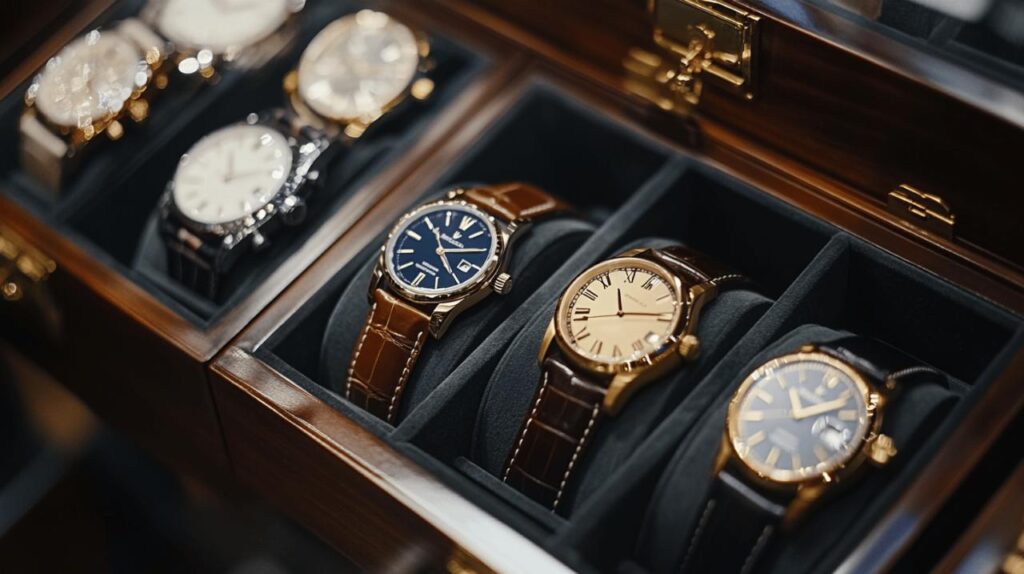
The wristwatches worn by presidents have long served as subtle yet powerful symbols of personal style, political messaging, and national identity. From the gilded timepieces of past leaders to the sleek smartwatches of the modern era, these instruments of time-telling transcend their practical function. They offer a window into the values, aspirations, and self-perceptions of the individuals who have held the highest office, whilst also reflecting broader cultural shifts in how power, prestige, and relatability are communicated to the public. Whether draped in luxury or cloaked in modesty, presidential timepieces are far more than accessories; they are artefacts of history and symbols of an era.
The Evolution of Presidential Timepieces Through the Ages
Early presidential horology: from pocket watches to wristwatches
The transition from pocket watches to wristwatches marked a significant shift in how leaders conveyed their relationship with time and technology. In the early twentieth century, wristwatches were still gaining acceptance as practical tools for men, particularly after their adoption by military officers during the First World War. Presidents of that era often relied on pocket watches, which were symbols of gravitas and tradition. However, as wristwatches became more mainstream, they began to appear on the wrists of national leaders, signalling a move towards modernity and efficiency. The choice to wear a wristwatch rather than a pocket watch was not merely a matter of convenience; it was a statement about embracing contemporary life and its demands. This evolution continued throughout the mid-twentieth century, as presidents increasingly adopted wristwatches that ranged from understated to opulent, each selection reflecting the wearer's individual tastes and the political climate of the time.
Modern era presidential watch collections and their significance
In recent decades, the watches worn by American presidents have become subjects of intense scrutiny and fascination. The modern era has seen a remarkable diversity in presidential horology, with leaders opting for everything from ultra-luxurious gold timepieces to affordable, mass-produced models. This range is not incidental; it reflects deliberate choices about how a president wishes to be perceived. Joe Biden, for instance, made history as the first US President to wear an Apple Watch in the Oval Office, a decision that signals a forward-thinking, tech-savvy image. Biden has also been seen wearing classic models from Omega and Rolex, demonstrating a versatility that bridges the gap between tradition and innovation. Meanwhile, Donald Trump's collection has included pieces from Patek Philippe, Vacheron Constantin, and Rolex, with his classic Rolex Day-Date in eighteen-karat yellow gold becoming one of his most recognisable accessories. Trump's affinity for luxury brands aligns with his public persona of wealth and success, a deliberate cultivation of an image that resonates with certain segments of the electorate. The significance of these choices extends beyond personal taste; they are calculated elements of a broader strategy to connect with supporters and project authority.
Iconic presidential watches and their cultural impact
American presidents and their signature timepiece choices
Throughout the past four decades, the timepieces worn by American presidents have varied widely, each selection offering insight into the individual's character and the political messaging of their administration. Barack Obama, for example, was frequently seen wearing a Jorg Gray Secret Service chronograph, a watch gifted by his security detail and available in the White House gift shop for four hundred and twenty-five dollars. This choice was emblematic of Obama's effort to project relatability and a connection to the everyday American, a stark contrast to the opulence often associated with high office. Similarly, George W. Bush famously wore a Timex Indiglo adorned with an American flag, a symbol of patriotism and unpretentiousness. Bill Clinton, during his presidency, favoured a Timex Ironman Triathlon, though his post-presidential years saw a shift towards more luxurious brands such as Panerai and Zenith. These choices illustrate a common pattern: while in office, many presidents opt for modest timepieces to align with the values of humility and accessibility, but their personal collections often reveal a deeper appreciation for fine horology. The watches of George H.W. Bush, including a Patek Philippe Pink Gold Automatic Perpetual Calendar and a Calatrava, later sold at auction for substantial sums, underscoring their status as both personal treasures and historical artefacts. Ronald Reagan's Rolex Datejust remains an iconic example of presidential elegance, whilst President Dwight D. Eisenhower received a yellow gold Datejust from Rolex itself, cementing the brand's association with American leadership.
How presidential watch selections reflect national values
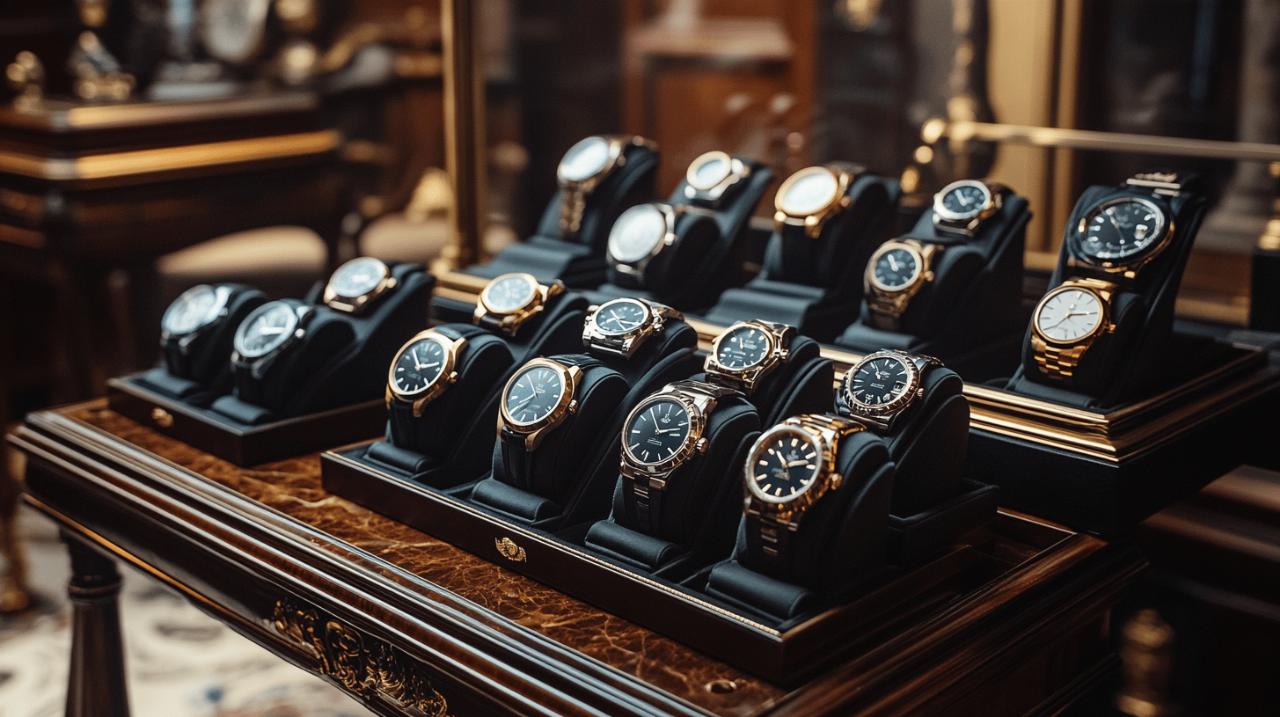
The watches chosen by presidents often serve as deliberate tools of propaganda, employing what is known as the plain folk technique to foster a sense of connection with the general populace. By wearing relatively inexpensive or modest watches, leaders like Clinton, Bush, and Obama sought to convey that they were in touch with the concerns and lifestyles of ordinary citizens. This strategy is particularly effective in a democratic society where relatability and perceived humility can translate into political capital. Conversely, the more opulent selections of presidents like Trump and the elder Bush communicate a different set of values: success, prestige, and an unapologetic embrace of luxury. These contrasting approaches reflect broader cultural debates about wealth, power, and the appropriate comportment for a national leader. The cultural impact of presidential watches extends beyond the political sphere; they influence trends in the luxury watch market and shape public perceptions of brands. When a president is seen wearing a particular model, that timepiece gains a cachet that can elevate its desirability and value. This phenomenon is particularly pronounced with the Rolex Day-Date, often referred to as the Presidential Rolex due to its association with multiple commanders-in-chief. The Day-Date, introduced in nineteen fifty-six, was the first watch to spell out the day of the week in full and has been crafted exclusively in precious metals such as eighteen-karat gold and platinum. Its distinctive President bracelet, composed of three semi-circular links, has become synonymous with power and prestige, making it a sought-after piece for collectors and enthusiasts.
The symbolism behind presidential horology preferences
Luxury versus understated: what presidential watches reveal about leadership
The choice between luxury and understated timepieces reveals much about a president's approach to leadership and public image. A leader who opts for a modest watch, such as George W. Bush's Timex or Barack Obama's Jorg Gray, signals a prioritisation of substance over style, suggesting that their focus is on governance rather than personal aggrandisement. This approach can be particularly effective in times of economic hardship or national crisis, when displays of wealth may be perceived as tone-deaf or insensitive. On the other hand, a president who embraces luxury, such as Donald Trump with his Rolex Day-Date or Patek Philippe Ellipse, projects an image of confidence, success, and a willingness to stand apart from the crowd. This choice can resonate with supporters who admire boldness and achievement, viewing the president as a symbol of aspiration rather than relatability. The symbolism of these choices is further enriched by the historical and cultural associations of the brands themselves. Rolex, for instance, has cultivated a marketing strategy that emphasises achievement and excellence, sponsoring prestigious events like the US Open and associating its products with figures of prominence. When Donald Trump attended the US Open in two thousand and twenty-five as a guest of Rolex, the invitation was not merely a social courtesy; it was part of a broader narrative linking the brand with power and influence. Similarly, the craftsmanship and heritage of brands like Patek Philippe and Vacheron Constantin carry connotations of timeless elegance and exclusivity, qualities that align with a certain vision of presidential leadership.
Presidential Timepieces as Diplomatic Gifts and Historical Artefacts
Beyond their role as personal accessories, presidential watches have also served as diplomatic gifts and have become significant historical artefacts. The tradition of gifting watches to heads of state and other dignitaries is a longstanding one, reflecting the high regard in which these timepieces are held. President Lyndon B. Johnson, for example, was known for wearing a thirty-six-millimetre yellow gold Day-Date, a watch that has since become emblematic of his era. The practice of giving and receiving watches as gifts underscores their symbolic value, representing not only the passage of time but also the endurance of relationships and alliances. In some cases, the watches themselves have become the subject of legend and intrigue. A Rolex Day-Date that President John F. Kennedy allegedly received from Marilyn Monroe was auctioned in two thousand and five for one hundred and twenty thousand dollars, a testament to the allure of objects connected to iconic figures. The watches of George H.W. Bush, sold at auction for eighty-one thousand two hundred and fifty dollars and sixty-two thousand five hundred dollars respectively, have similarly taken on a life beyond their original purpose, serving as tangible links to a bygone era of American leadership. These timepieces are preserved in museums, private collections, and archives, where they continue to captivate historians and horologists alike. They offer insights into the personal lives of presidents, the tastes and trends of their times, and the evolving relationship between luxury, power, and national identity. As such, they are not merely watches but historical documents, each tick of their mechanisms a reminder of the moments and movements they witnessed.