
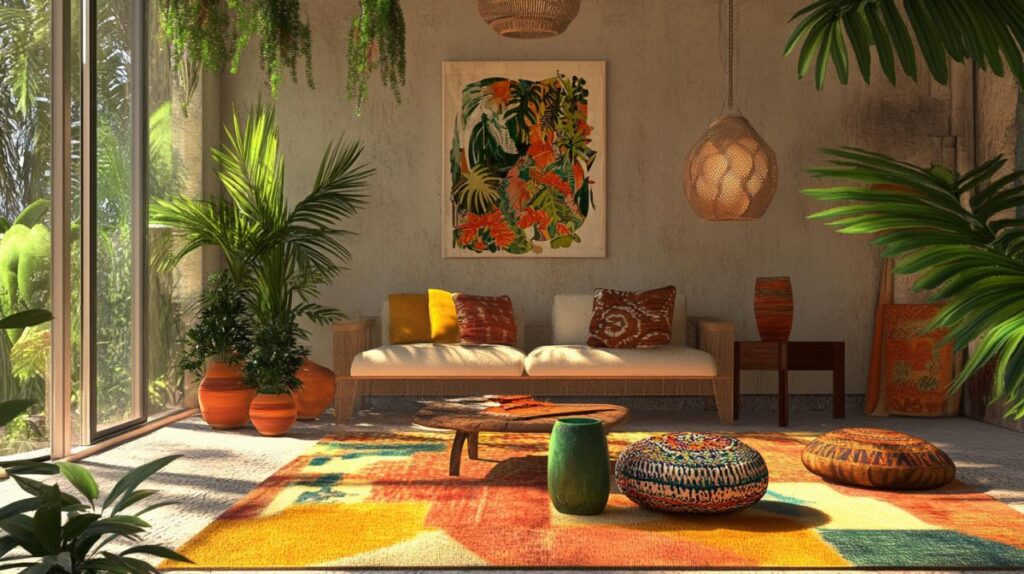
The allure of the Mediterranean has long captivated those seeking a harmonious blend of natural beauty, timeless elegance, and relaxed sophistication. From the sun-drenched coastlines of Greece to the rustic charm of southern Italy, the region's aesthetic sensibilities have transcended geographical boundaries to inspire contemporary fashion and interior design. Today, the influence of Mediterranean lifestyle and traditions permeates modern wardrobes and living spaces, bringing with it an ethos of effortless grace, organic materials, and a celebration of artisanal craftsmanship.
Mediterranean aesthetics shaping contemporary fashion trends
The fashion world has increasingly turned its gaze towards the Mediterranean, drawing inspiration from the region's inherent connection to nature and its emphasis on comfort without sacrificing style. Designers and brands worldwide recognise that the Mediterranean lifestyle embodies a philosophy of living well, where clothing serves not merely as adornment but as an extension of one's relationship with the environment. This cultural influence manifests in collections that prioritise breathability, movement, and a palette inspired by the landscape itself.
Natural Fabrics and Earthy Tones in Modern Wardrobe Collections
Contemporary fashion collections increasingly feature natural fabrics such as linen, cotton, and silk, echoing the Mediterranean tradition of selecting materials that respond to the climate and enhance comfort. These luxurious materials allow the skin to breathe while offering a tactile richness that synthetic alternatives cannot match. The preference for such textiles reflects a broader shift towards sustainable fashion, where the quality and longevity of garments take precedence over fast fashion trends. Earthy colour palettes drawn from Mediterranean vistas have become a hallmark of modern design. Shades of terracotta, olive green, ochre, and soft cream mirror the hues found in sun-baked clay, ancient olive groves, and whitewashed villages perched on hillsides. These colours evoke a sense of calm and groundedness, offering a visual respite from the often frenetic pace of contemporary life. Fashion houses have embraced these tones not only for their aesthetic appeal but also for their versatility, as they transition seamlessly from season to season and complement a wide range of skin tones.
Coastal-Inspired Patterns and Relaxed Silhouettes in Designer Lines
The relaxed silhouettes synonymous with Mediterranean dressing have influenced designer lines seeking to marry elegance with ease. Flowing dresses, wide-legged trousers, and oversized shirts embody a sartorial philosophy that values comfort and movement. These garments often feature patterns inspired by the coastal environment, including subtle stripes reminiscent of maritime traditions and geometric patterns that echo the intricate tilework found in Mediterranean architecture. Artisanal craftsmanship plays a vital role in this aesthetic, with handwoven textiles and hand-embroidered details adding a layer of authenticity and cultural heritage to modern pieces. The emphasis on handmade elements reflects a broader appreciation for traditional techniques and the stories they carry, connecting contemporary wearers to centuries-old practices. This approach not only enriches the garments themselves but also supports communities of skilled artisans who preserve these crafts.
Bringing mediterranean living into modern interior design
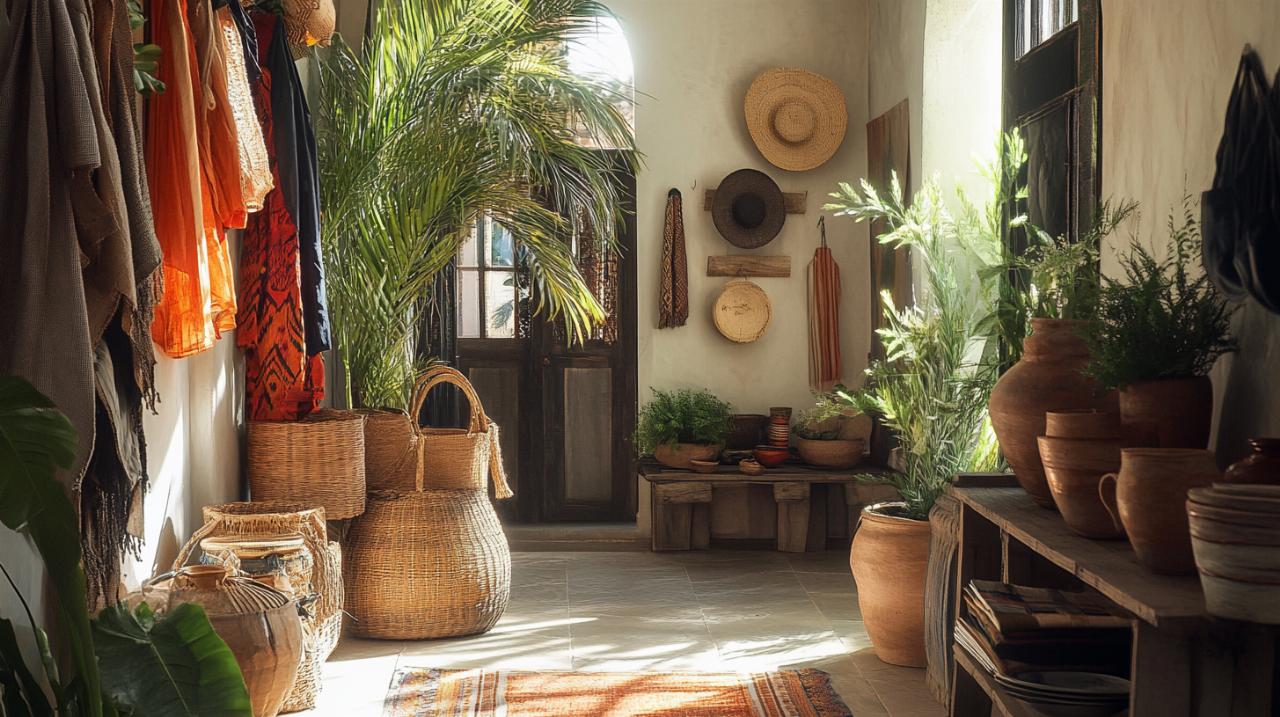
The principles of Mediterranean design extend beyond fashion into the realm of interior decor, where they offer a blueprint for creating spaces that are both inviting and serene. The Mediterranean home is characterised by its seamless integration of indoor and outdoor living, its use of natural materials, and its celebration of light and space. These elements have been adapted and reimagined in contemporary interiors, where they provide a counterbalance to the minimalism and starkness that can sometimes dominate modern design trends.
Whitewashed Walls and Terracotta Accents in Contemporary Homes
One of the most iconic features of Mediterranean architecture is the use of whitewashed walls, which reflect light and create a sense of openness and tranquillity. This design choice is both practical and aesthetic, helping to keep interiors cool while providing a neutral backdrop that allows other elements to shine. In contemporary homes, whitewashed walls are often paired with terracotta accents, whether in the form of ceramic pots, tiled floors, or sculptural pieces. These earthy accents introduce warmth and texture, preventing the space from feeling sterile or impersonal. The combination of white and terracotta creates a harmonious balance that is at once timeless and unmistakably Mediterranean. Handmade pottery and artisanal craftsmanship are central to this aesthetic, with each piece contributing to a sense of individuality and cultural heritage. Persian rugs and Turkish rugs are frequently incorporated into these interiors, their intricate patterns and rich colours adding depth and visual interest. These textiles not only serve a functional purpose but also act as focal points that anchor the room and tell a story of craftsmanship and tradition.
Open spaces and natural light: creating mediterranean-style sanctuaries
The Mediterranean approach to interior design places a premium on natural light and open spaces, creating environments that feel airy and connected to the outdoors. Large windows, open floor plans, and the strategic use of courtyards facilitate a fluid transition between interior and exterior spaces, embodying the concept of indoor-outdoor living. This philosophy resonates strongly in contemporary design, where the desire for homes that promote well-being and a connection to nature has become increasingly important. Majestic arches and ornate ceilings, often adorned with carvings or stained glass, are traditional elements that have been reinterpreted in modern contexts. These architectural features add a sense of grandeur and history to contemporary homes, bridging the gap between past and present. The use of geometric tiles in kitchens and bathrooms further reinforces the Mediterranean influence, offering both visual appeal and a nod to the region's rich decorative traditions. Low, plush seating arrangements, reminiscent of Majlis seating, encourage relaxation and social interaction, transforming living spaces into sanctuaries where comfort and style coexist. The incorporation of Moroccan lanterns and calligraphy as decorative elements introduces an exotic touch while maintaining the overall cohesion of the design. These details, though subtle, contribute to an atmosphere that is both sophisticated and inviting, capturing the essence of Mediterranean living.
The influence of Middle Eastern interior design also plays a significant role in this cross-cultural exchange, with elements such as bold and earthy colour palettes, luxurious materials like velvet and silk, and handcrafted details enriching the Mediterranean aesthetic. The blending of these traditions reflects a broader trend towards culturally inspired spaces that celebrate diversity and artisanal excellence. As modern design continues to evolve, the Mediterranean influence remains a touchstone for those seeking to create environments that are not only beautiful but also deeply rooted in a philosophy of living well. Whether through the careful selection of sustainable furniture, the thoughtful use of colour psychology, or the incorporation of vintage elements that revive retro charm, the Mediterranean aesthetic offers endless possibilities for personal expression and cultural connection. In an era where brand identity and workplace culture are increasingly shaped by interior design, the timeless appeal of mediterranean lifestyle and traditions provides a foundation for spaces that inspire and endure.