
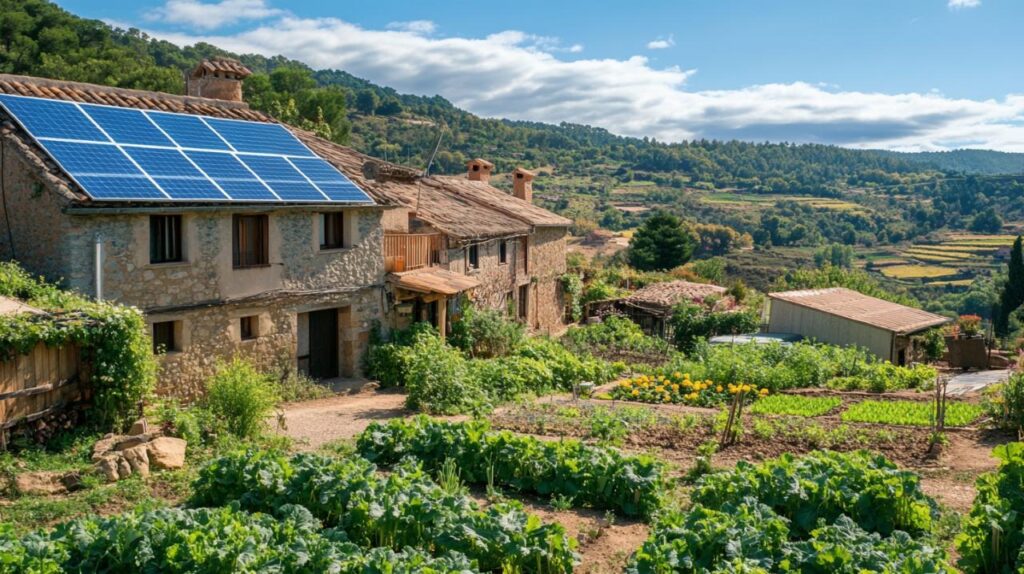
The Spanish countryside offers a unique opportunity to embrace a lifestyle that harmonises tradition with modern environmental awareness. As more people seek alternatives to urban living, the appeal of rural Spain lies not only in its picturesque landscapes and slower pace but also in the chance to adopt practices that reduce one's carbon footprint. From ancient stone farmhouses to contemporary eco-builds, the potential to create a truly sustainable home in these regions is vast and increasingly accessible. This article delves into practical methods that enable homeowners to manage their properties responsibly whilst enjoying the tranquillity and beauty of the Spanish hinterlands.
Water conservation techniques for spanish country homes
Water scarcity is a genuine concern in many parts of Spain, particularly during the hot summer months when rainfall is sparse and temperatures soar. Rural properties often rely on wells or limited municipal supplies, making efficient water use not just an environmental imperative but a practical necessity. Implementing thoughtful water conservation strategies can significantly reduce consumption, lower utility bills, and ensure a reliable supply throughout the year. One of the most effective approaches involves rethinking how water is captured, stored, and reused within the home and garden.
Rainwater harvesting systems and grey water recycling
Installing a rainwater harvesting system is a sensible investment for anyone looking to explore rural life in spain with an eye towards sustainability. These systems collect precipitation from rooftops and channel it into storage tanks, where it can be filtered and used for irrigation, toilet flushing, or even washing clothes. Given that some regions of Spain receive intense but infrequent rainfall, capturing every drop during the wet season can provide a valuable reserve for drier periods. Modern rainwater systems are relatively straightforward to install and maintain, with options ranging from simple barrels to sophisticated underground cisterns equipped with pumps and filtration units.
Recycling grey water, which is the relatively clean wastewater from sinks, showers, and washing machines, offers another layer of efficiency. By diverting this water away from the sewage system and instead directing it towards garden irrigation or other non-potable uses, households can dramatically cut their overall water consumption. It is important to use biodegradable and eco-friendly cleaning products to ensure that grey water remains safe for plants and soil. Combining rainwater harvesting with grey water recycling creates a closed-loop system that maximises every litre, reducing dependence on external water sources and contributing to long-term resilience against drought.
Drought-resistant landscaping and native plant gardens
Landscaping choices play a crucial role in sustainable home management, especially in rural areas where gardens tend to be larger and more exposed to the elements. Traditional lawns and exotic plant species often demand frequent watering, fertilisation, and upkeep, which can be both costly and environmentally taxing. Shifting towards drought-resistant landscaping not only conserves water but also creates a habitat that supports local wildlife and requires far less maintenance. Native plant gardens are particularly well-suited to the Spanish countryside, as they have evolved to thrive in the local climate and soil conditions without the need for supplementary irrigation or chemical treatments.
Selecting indigenous species such as lavender, rosemary, thyme, and various grasses ensures that gardens remain vibrant even during extended dry spells. These plants have deep root systems that access moisture below the surface and are naturally resistant to pests common in the region. Incorporating mulch around plantings helps retain soil moisture, suppress weeds, and regulate ground temperature, further reducing the need for watering. By embracing the natural flora of rural Spain, homeowners create landscapes that are not only beautiful and fragrant but also ecologically responsible, requiring minimal inputs whilst supporting pollinators and other beneficial insects.
Energy efficiency and renewable power solutions
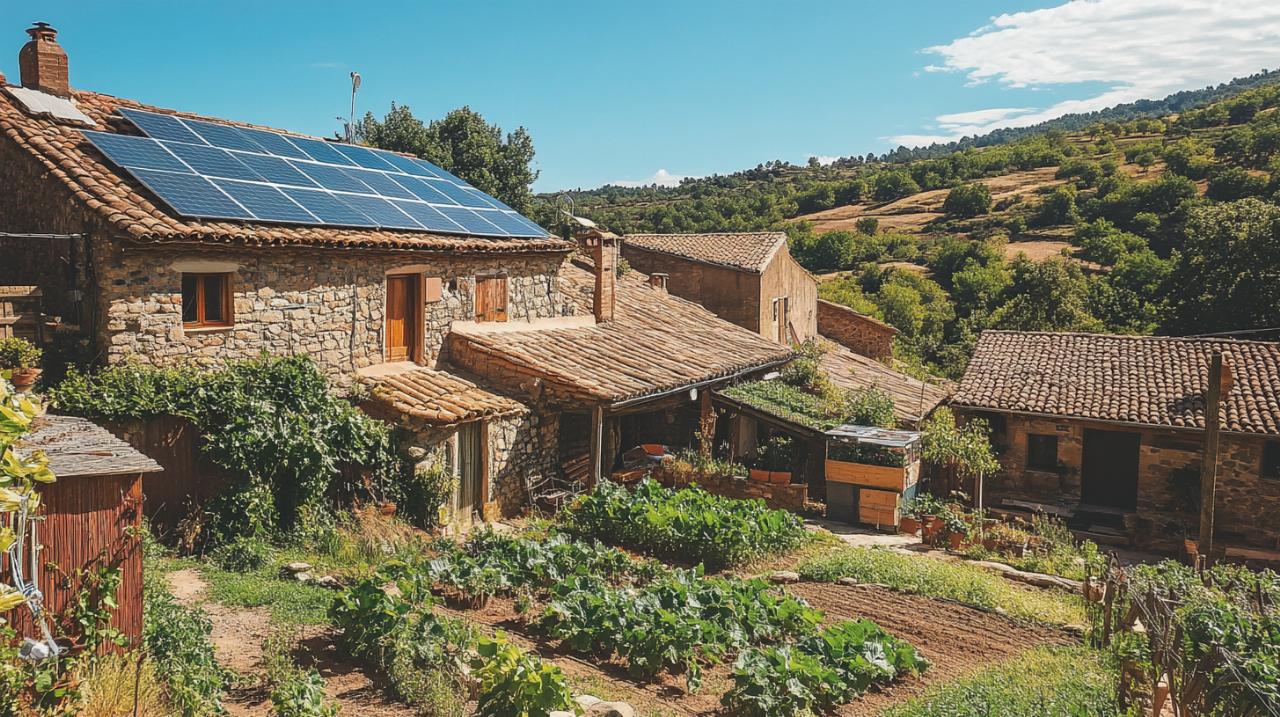
Energy consumption in homes is a significant contributor to greenhouse gas emissions, and rural properties in Spain are no exception. However, the countryside also offers unparalleled opportunities to harness renewable energy sources, particularly solar and wind power, which are abundant in many regions. Improving energy efficiency through insulation, passive design, and smart technology can drastically reduce a home's overall energy demand, whilst integrating renewable systems ensures that the remaining needs are met sustainably. Together, these strategies can transform a rural Spanish home into a model of low-carbon living.
Solar panel installation and wind energy options
Spain benefits from approximately two thousand five hundred hours of sunshine annually in many regions, making solar energy one of the most practical and cost-effective renewable power options for rural homes. Photovoltaic panels can be installed on rooftops, outbuildings, or even ground-mounted arrays in larger plots, generating electricity that can power everything from lighting and appliances to heating systems. Advances in solar technology have made these systems more affordable and efficient, with many installations paying for themselves within a decade through savings on electricity bills. Additionally, some areas offer incentives such as rebates or feed-in tariffs, allowing homeowners to sell excess power back to the grid and further offset costs.
For properties situated in windier locations, small-scale wind turbines can complement or even replace solar panels as a primary energy source. Wind power is particularly effective in elevated or coastal rural areas where consistent breezes are reliable. Whilst wind turbines require more careful planning regarding placement and local regulations, they can provide a steady supply of electricity throughout the year, including during the winter months when solar output is reduced. Combining both solar and wind energy creates a diversified renewable power system that maximises generation potential regardless of seasonal or daily weather variations, ensuring a stable and sustainable energy supply for the home.
Natural cooling methods and passive heating strategies
The traditional architecture of rural Spain offers valuable lessons in passive climate control, with thick stone walls, small windows, and strategic orientation designed to keep interiors cool in summer and warm in winter. Modern homeowners can draw on these principles whilst incorporating contemporary materials and techniques to enhance energy efficiency further. Effective thermal insulation is paramount, as it prevents heat loss during colder months and minimises heat gain when temperatures rise. Upgrading walls, roofs, and floors with eco-friendly insulation materials such as sheep's wool, cork, or recycled cellulose can significantly reduce the need for mechanical heating and cooling.
Persianas, or external shutters, are a quintessential feature of Spanish homes and serve as an excellent tool for managing indoor temperatures naturally. Closing shutters during the hottest part of the day blocks direct sunlight and reduces heat build-up, whilst opening them in the evening allows cooler air to circulate. In winter, shutters can be kept closed at night to provide an additional layer of insulation. Cross-ventilation, achieved by opening windows on opposite sides of the house, encourages airflow and helps dissipate heat without relying on air conditioning. Planting deciduous trees near windows offers shade in summer whilst allowing sunlight to warm the home once leaves fall in autumn. These passive strategies, when combined with high-quality insulation and energy-efficient windows, can eliminate or greatly reduce dependence on energy-intensive climate control systems, making rural homes both comfortable and environmentally sound throughout the year.